
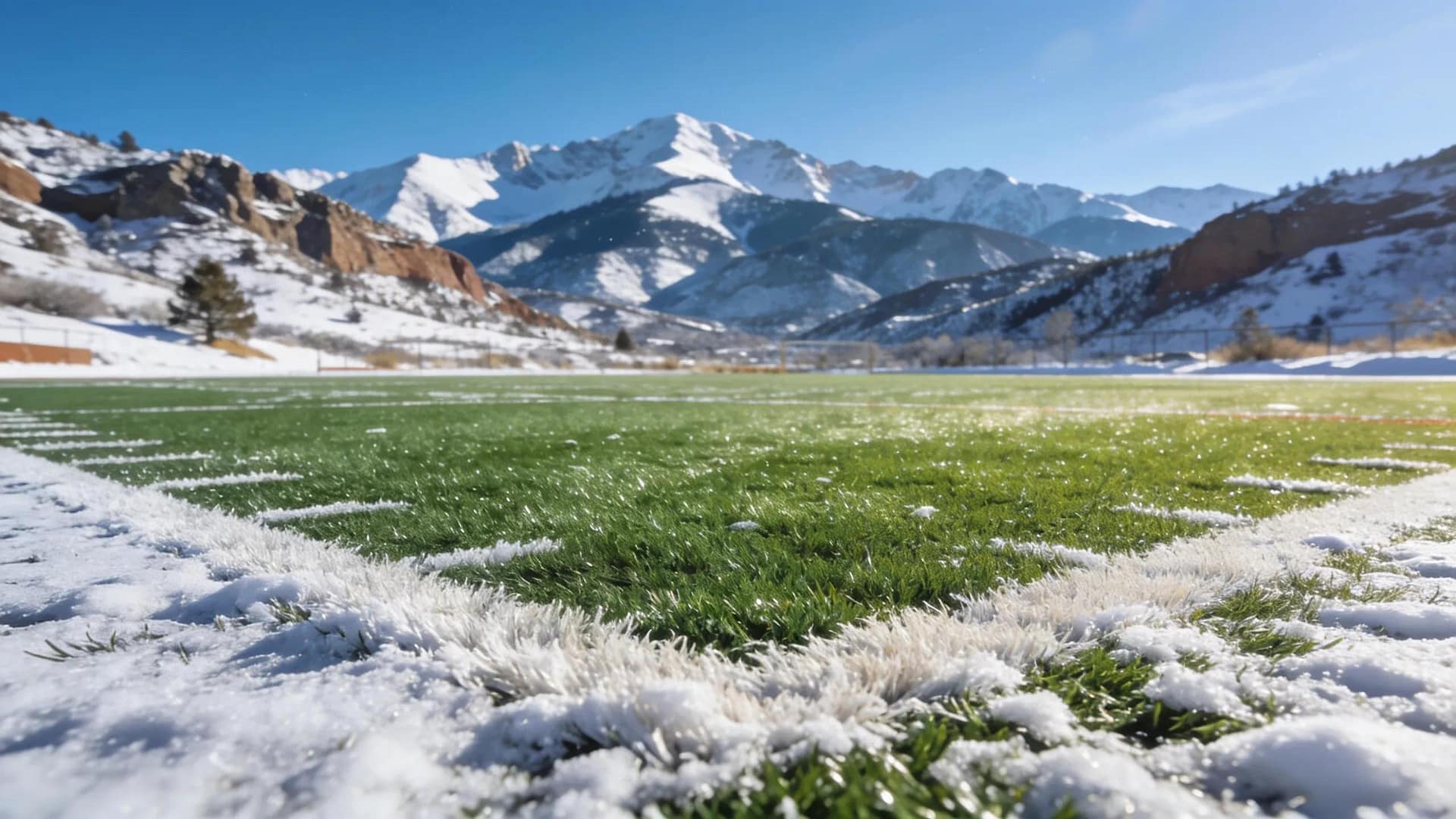
By Dakota Carino, Artificial Grasscapes
As the winter months approach, residents and property owners in Colorado Springs confront unique challenges due to the area’s high-altitude climate. The fluctuation between freezing and thawing temperatures—known as “freeze-thaw cycles”—can significantly impact the performance and durability of synthetic turf. In this article, we will explore the effects of these weather conditions on synthetic turf, ensuring readers understand what to expect and how to maintain their outdoor spaces. We will delve into the intricacies of freeze-thaw cycles, the reasons behind their impact on turf materials, and the importance of adopting the right installation and maintenance practices. At the end, we will offer insights tailored for property owners who seek dependable solutions in the midst of Colorado’s harsh winters.
How Does Freeze-Thaw Weather Affect Synthetic Turf Performance in Colorado Winters?
Freeze-thaw weather conditions in Colorado can greatly affect synthetic turf’s durability and functionality. During freezing temperatures, water can seep into the turf, frosting and potentially damaging its components as it expands and contracts. This cycle stresses the materials, leading to premature wear or even structural failure over time. Furthermore, the materials used in “synthetic turf” need to be highly resilient to endure these changes without significant degradation. To maintain performance and aesthetics, proper maintenance during winter months is crucial. Property owners in Colorado Springs should understand these effects to properly care for their installations.
For expert assistance, Artificial Grasscapes specializes in synthetic grass installation and maintenance tailored for Colorado’s demanding climate, ensuring that your turf can withstand the rigors of winter.
What Are Freeze-Thaw Cycles and Their Impact on Turf Materials?
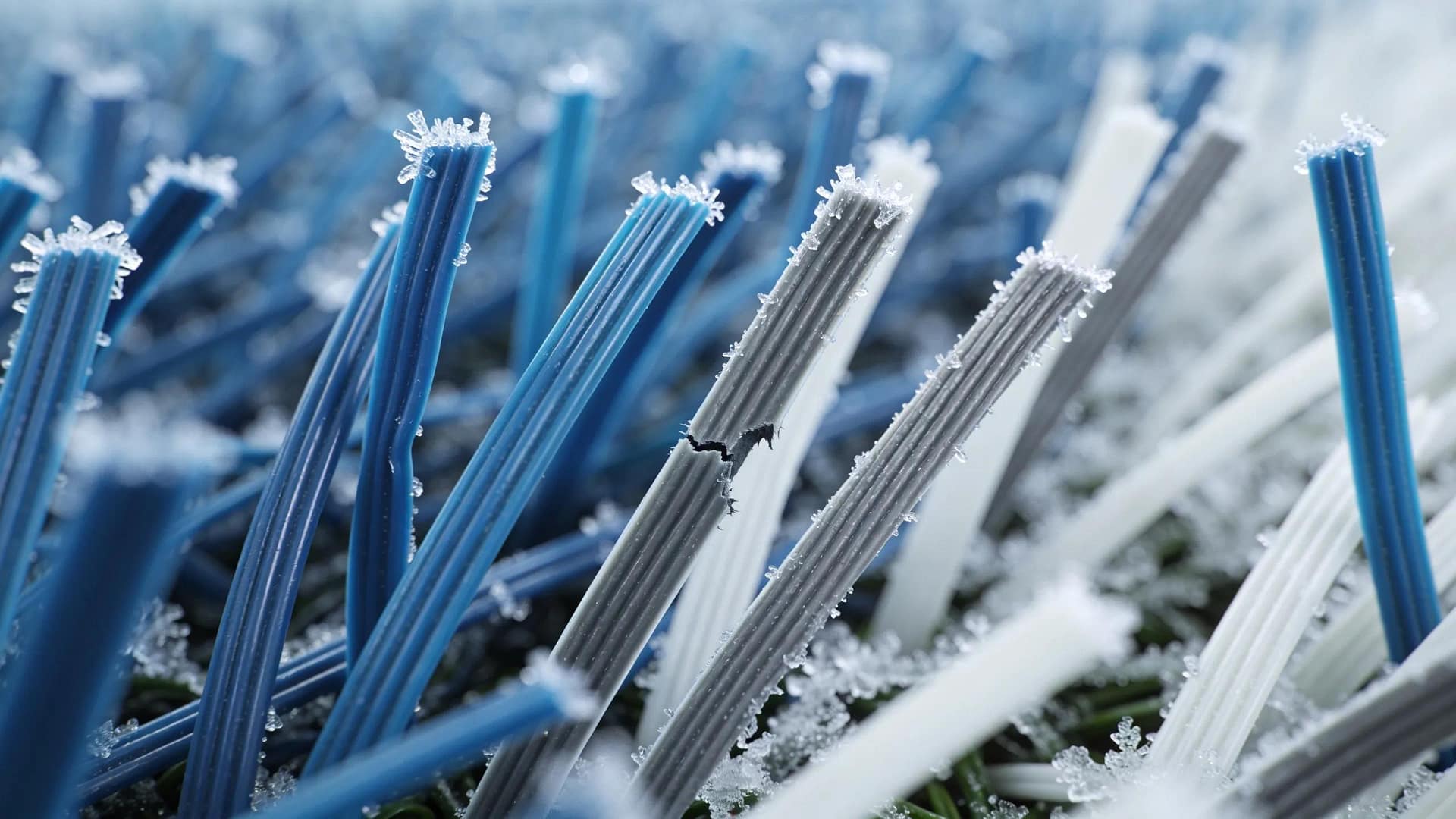
Freeze-thaw cycles are periods when temperatures drop below freezing and then rise above it again, causing ice to form and melt repeatedly. These cycles can lead to substantial changes in the integrity of synthetic turf. Primarily, materials such as polyethylene and nylon fibers can experience brittleness or cracking due to the constant temperature fluctuations. Additionally, any “infills used” can settle unevenly, compromising the structure and appearance of the turf. Understanding how these cycles affect the field is essential for choosing durable materials resistant to these temperature changes.
Why Is Understanding Colorado’s High-Altitude Climate Crucial for Turf Durability?
Colorado’s high-altitude climate presents unique challenges due to its significant temperature variations and lower atmospheric pressure. Snowfall can be more pronounced at these elevations, which may also influence the types of materials deemed appropriate for synthetic turf. Additionally, lesser atmospheric moisture can lead to dry conditions that affect turf materials during the winter. This understanding allows property owners to make informed decisions about turf options that will remain resilient throughout the year, maintaining both safety and aesthetics.
What Synthetic Turf Material Technologies Ensure Freeze-Thaw Resistance?
Various technological advancements have led to the development of synthetic turf materials designed specifically for freeze-thaw resistance. These include various blends of polyethylene and nylon, which are engineered to provide flexibility and robustness under cold conditions. Innovations in infill materials—such as rubber and silica sand—have also contributed to enhanced performance during harsh winters. Knowing which materials are designed to withstand Colorado’s relentless freeze-thaw cycles can significantly impact the longevity and quality of turf installations.
What Installation Best Practices Maximize Synthetic Turf Survival in Freeze-Thaw Conditions?
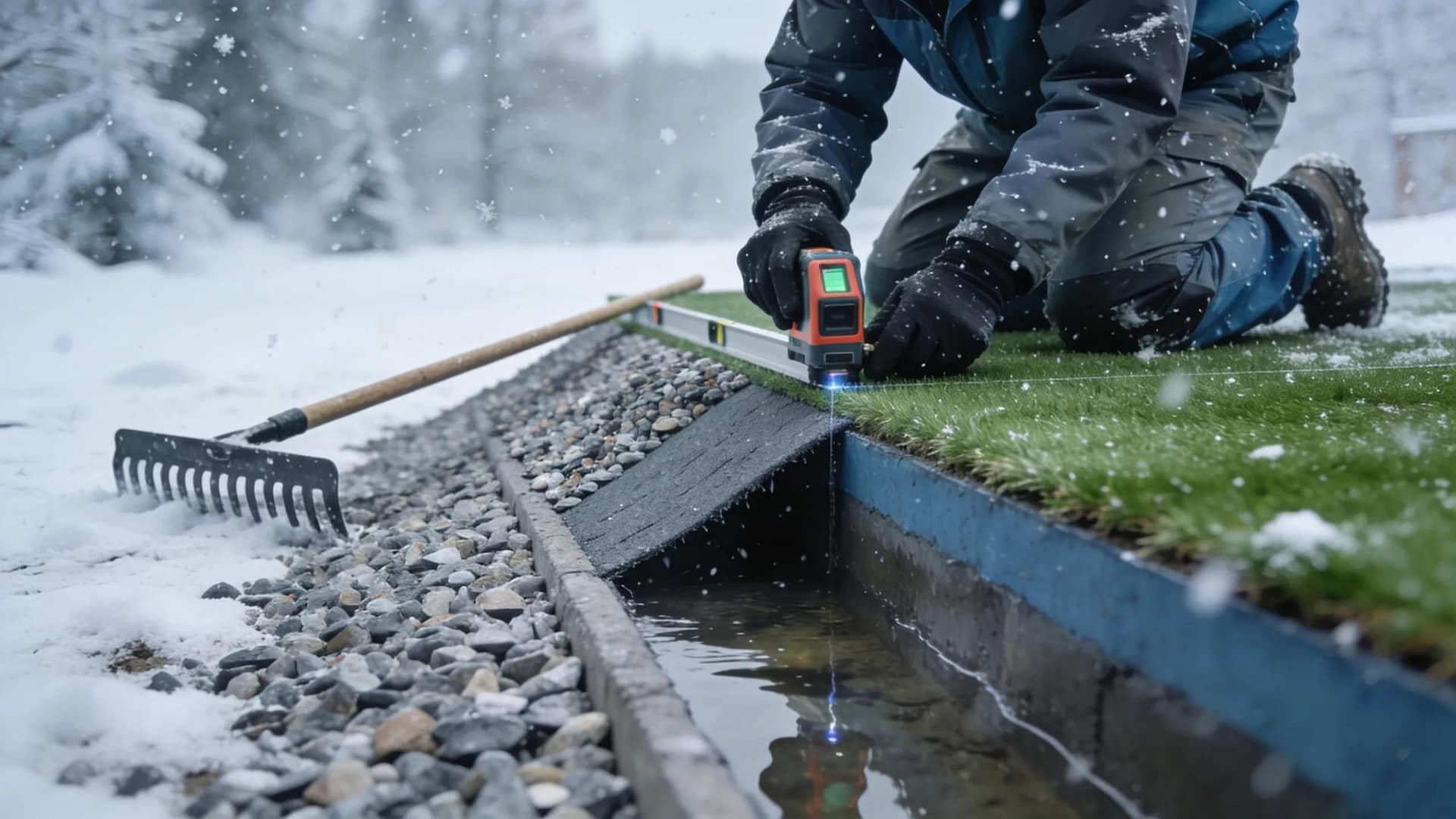
Proper installation techniques are paramount for ensuring synthetic turf can survive Colorado’s freeze-thaw conditions. Here are several best practices:
- Base Preparation: Ensure the soil is stable before installation, which can prevent shifting during freeze-thaw cycles.
- Effective Drainage Solutions: Installing proper drainage systems helps manage water accumulation that can freeze within the turf.
- Material Selection: Choose freeze-thaw resistant materials that are suitable for high-altitude climates.
Comparison of Installation Techniques for Freeze-Thaw Conditions
Different installation strategies can have varying impacts on the durability of synthetic turf during freeze-thaw cycles. The following table outlines key installation factors:
These factors highlight the importance of thorough preparation and consideration of the specific challenges posed by the climate in Colorado Springs.
How Should Synthetic Turf Be Maintained and Repaired After Colorado Winters?
After enduring winter, synthetic turf requires specific maintenance strategies to ensure its longevity. Regular inspections should be conducted to identify signs of wear or damage caused by freeze-thaw cycles. Here are some crucial maintenance tips:
- Routine Cleaning: Remove debris and snow to prevent moisture retention that can lead to turf damage.
- Inspect for Damage: Check the surface for any visible signs of wear or infill displacement, addressing issues promptly.
- Timing for Repairs: Schedule repairs during warmer months to allow for proper curing and adhesive setting.
By following these guidelines, property owners can keep their synthetic turf in optimal condition and extend its service life, maintaining a beautiful and functional outdoor space.
Maintaining synthetic turf during Colorado’s harsh winters is vital for performance. Artificial Grasscapes offers expert maintenance services that can help property owners ensure their installations remain in top shape despite challenging weather conditions.

